
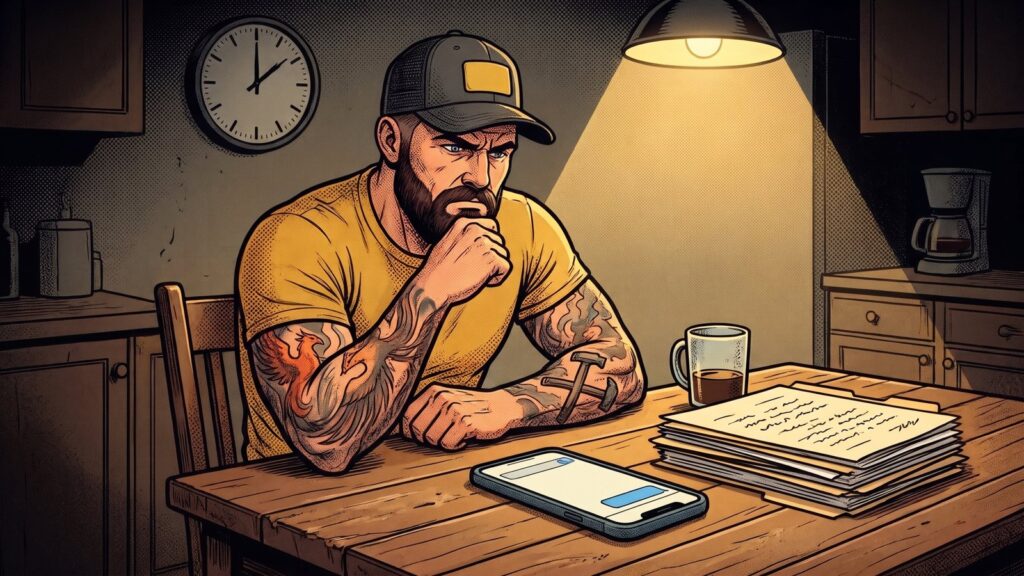
When a homeowner goes quiet after your estimate, it usually is not a no. Most people decide days later, after they talk it over, check their budget and look at the other quotes. The job dies when nobody follows up, and most owners do not follow up because it feels pushy. The fix is a polite follow-up that goes out on its own, so the quote stays in front of them and you never have to be the guy chasing.
Here is Mack. He drove out, walked the property, measured twice and sent a fair price the same night. That was eight days ago.
Sound familiar?
- You spent an hour on site and another hour on the quote. Then nothing.
- You think about texting them, then talk yourself out of it.
- You have a pile of estimates from the last few months and no idea which ones are still alive.
- When you do follow up, it is two weeks later and they already hired someone.
If that is you, the problem is not your price or your pitch. It is what happens after the estimate leaves your hands.
1. Why following up feels pushy, and why it is not
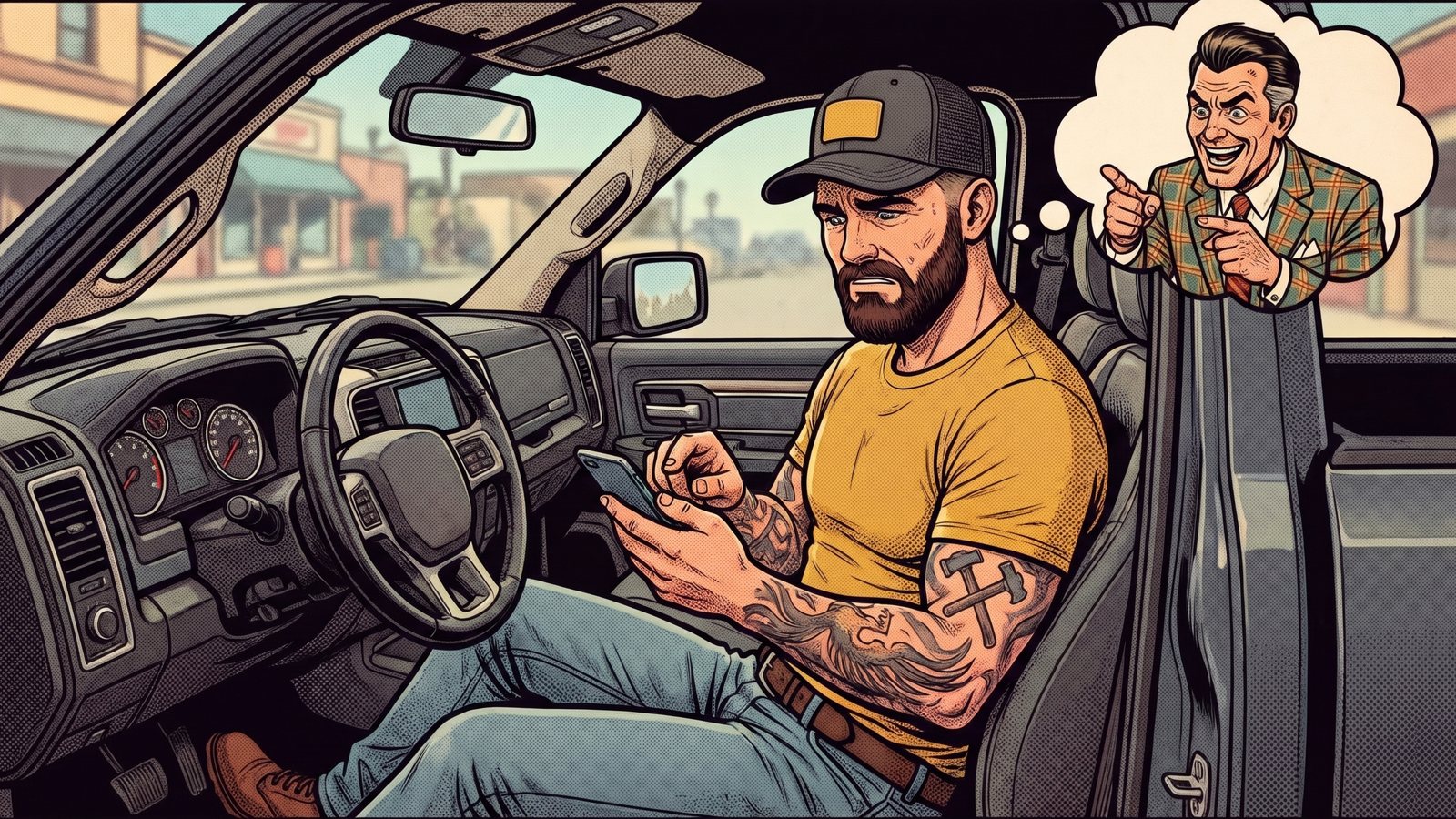
Most owners we talk to hate the idea of chasing a customer. You are a tradesman, not a salesman. Nobody wants to be the guy who calls three times a day.
But there is a big difference between pushing and reminding. Pushing is calling them to ask if they decided yet. Reminding is a short, friendly note that answers a question they probably have, like when you could start or what happens if they want to change the scope. Homeowners do not read that as pressure. They read it as a contractor who is organized and actually wants the job.
The other thing nobody says out loud: if you do not follow up, the homeowner does not think you are polite. They think you are busy, or not that interested. The contractor who checks in looks like the one who will show up.
2. They are deciding later than you think
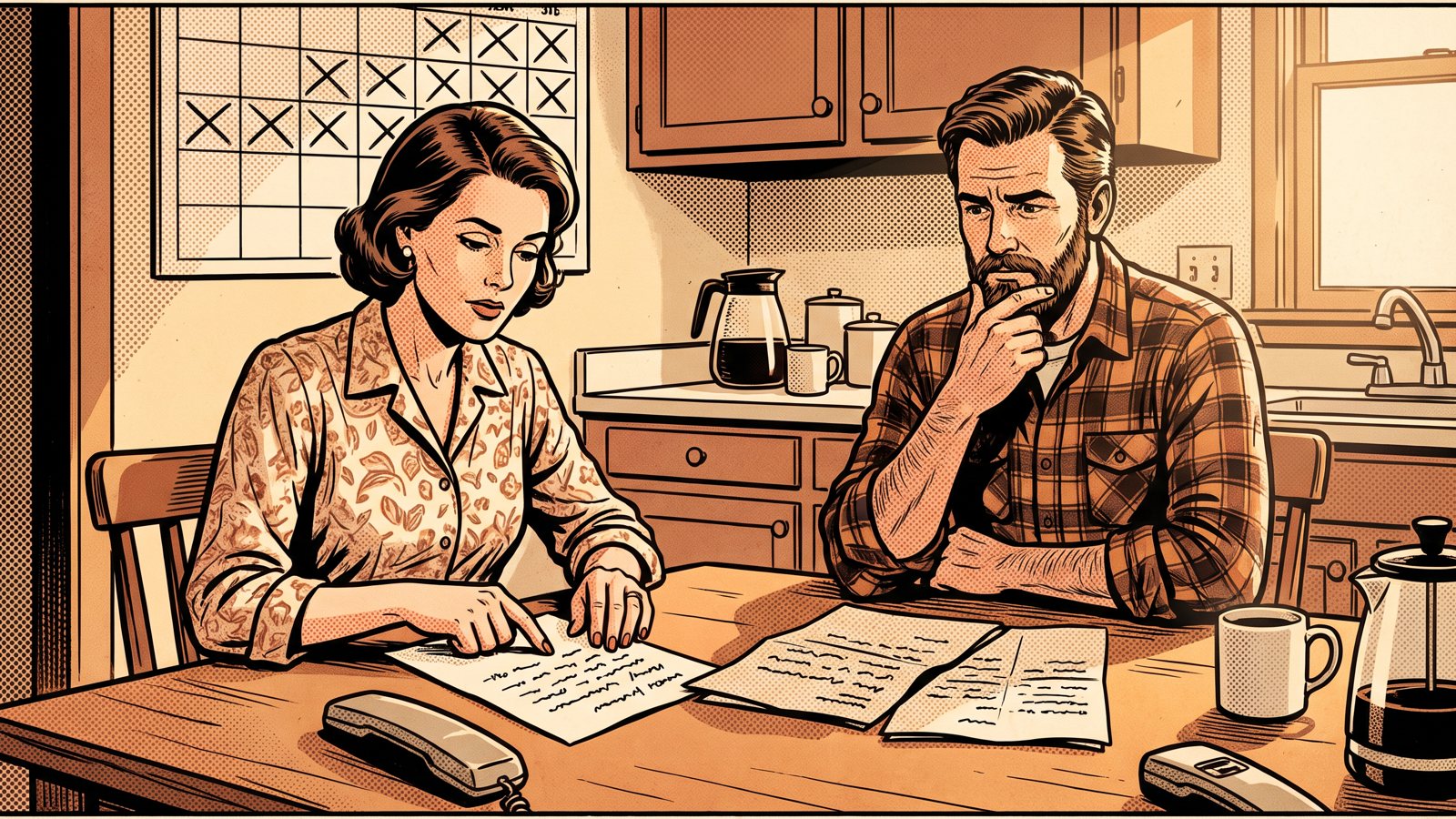
A landscaping and snow company here in Connecticut that we work with looked at 209 of its residential estimates. The median customer said yes 2.9 days after getting the quote, and 90% of the yeses came within 16 days.
So most decisions happen after you leave, not while you are standing in the driveway. The homeowner waits for the weekend, talks to their spouse, compares you to the other two quotes. If your quote is not in front of them that Saturday, it is not in the running.
The same company found one more thing worth knowing. When the customer actually opened the estimate, they said yes 56% of the time. When they never opened it, 16%. A lot of quotes do not lose. They just never get read.
3. Big jobs take longer, and quiet kills them first
The bigger the job, the longer people think, and the more likely the quote dies in silence. That same company’s decline rate was 31 to 34% on jobs under $5,000. It jumped to 47% on jobs between $5,000 and $15,000, and 73% on jobs over $15,000.
Those are the jobs that make your year. A $20,000 hardscape or roof is not a quick yes. It is a two or three week decision, and it needs more touches, not fewer. One more trap: some estimating software sends an automatic notice after about 10 days saying the quote has expired. That message closes the door on exactly the people who were still deciding.
4. The pile of dead quotes is money
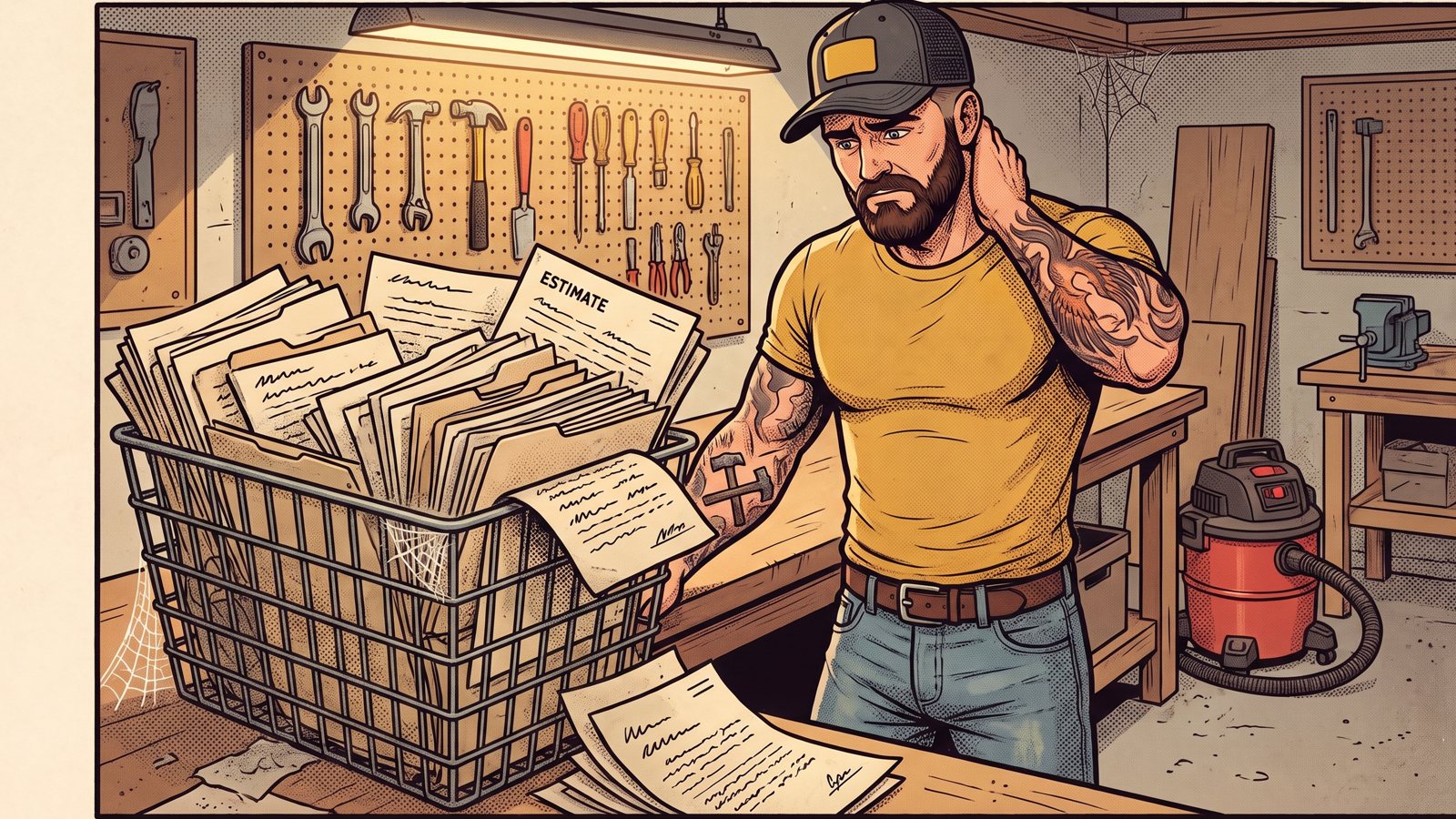
Every owner has one: the stack of estimates from the last six months that nobody ever closed out. Most owners treat it as dead. It is not. Those homeowners already met you, already liked you enough to get a price and still have the problem. Some hired someone else. Many just never decided.
A short, honest message to that list, something like checking in to see if the project is still on their list and offering a spot on the schedule, wakes up jobs you already paid to quote. It is the cheapest work you will ever book.
The follow-up that sends itself
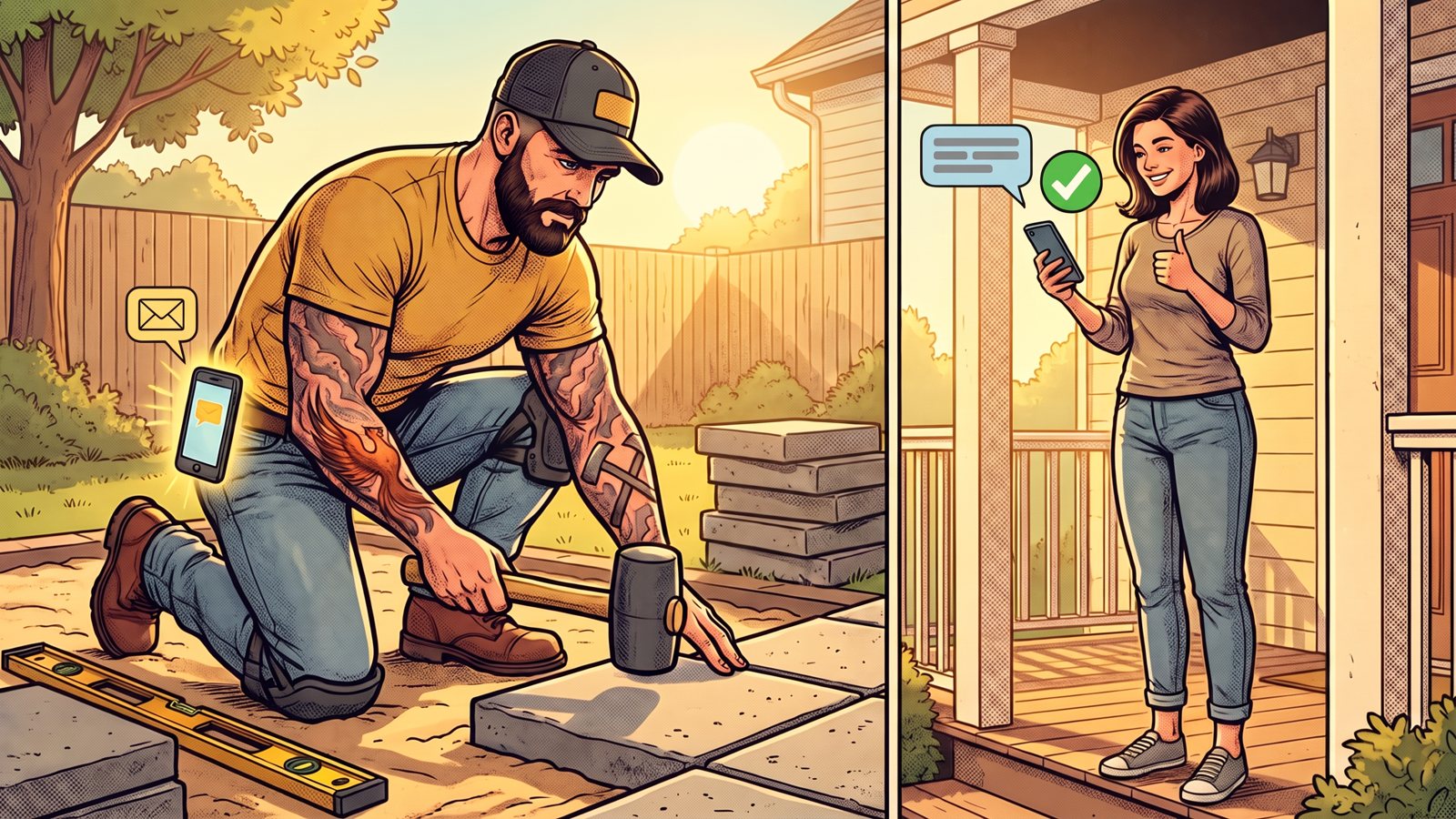
Most owners try to handle this by hand: a note in the truck, a reminder in their phone, a promise to call everyone back on Friday. Friday comes, the day runs long, and the list gets longer.
A system does it the same way every time. The quote goes out with a text so the homeowner knows to look for it. If it is not opened by the next day, a short nudge goes out. On day three, a friendly check-in that answers a common question. Around day seven, an offer to walk through it on a quick call. On the big jobs, a task lands on your list to call them yourself. None of it is pushy, and none of it depends on you remembering. We laid out a full schedule in how to follow up with prospects so you actually book the job, and the bigger picture of what to hand off first in growing a trade business past the owner-does-everything stage.
Quick answers
Why do customers go silent after an estimate?
Usually because they are still deciding. Most homeowners compare quotes, talk to their spouse and wait for a weekend. Silence in the first week is normal, not a no.
How soon should I follow up after sending a quote?
Within a day, then again around day three and day seven. One Connecticut company found the median yes came 2.9 days after the quote, so the first week matters most.
How do I follow up without being pushy?
Keep it short, friendly and useful. Answer a question they likely have, like start dates or options. A reminder that helps them decide never reads as pressure.
What should I do with old estimates that never closed?
Send the whole list a short check-in asking if the project is still on their list and offering a spot on the schedule. Those people already wanted a price from you.
Stop letting good quotes die quietly
You already did the hard part. You showed up, measured it right and priced it fair. The only thing missing is the follow-up that keeps your quote in front of them while they decide. That is what we build for owner-run trade businesses: quote reminders, check-ins and old-estimate campaigns that run on their own while you work. If you want to see what that looks like for your business, apply to become a partner.